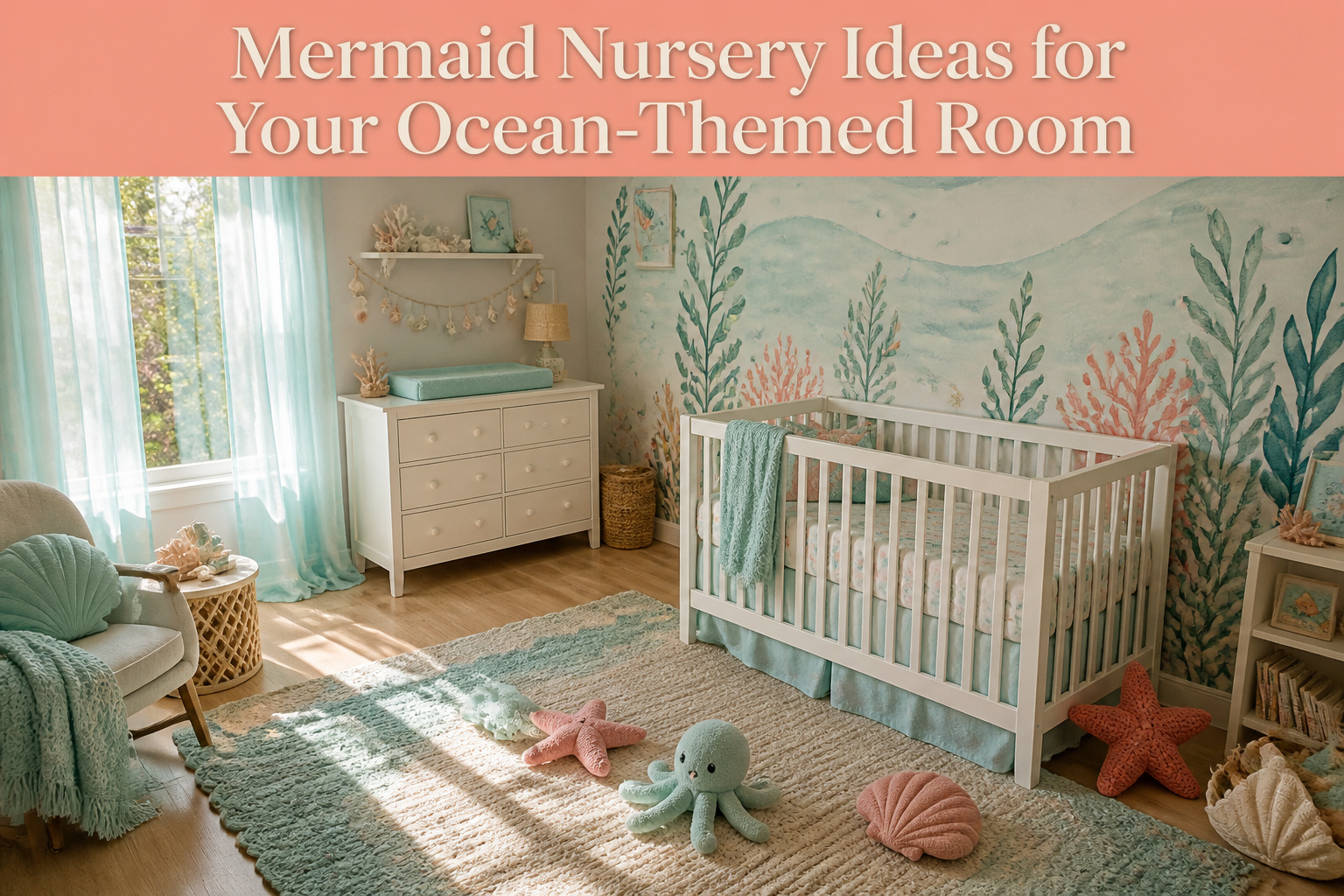
A mermaid nursery can run from a $15 paper-jellyfish weekend build to a full-wall peel-and-stick mural, and the deciding factor is usually whether you rent or own. Renters get locked out of painted murals and nail holes, which makes removable wallpaper and leaned shelves the practical default, but that same constraint keeps the budget under forty dollars per wall. The washability of the bedding and rug matters more than the tail print once the baby arrives; two fitted sheets and a machine-washable weave outlast any matching set.
1. Mermaid-Themed Mobiles

A mobile over the crib draws the eye up and gives a mermaid nursery its first real moment of movement. Secure installation matters more than how charming the shells look: use a ceiling anchor rated for more weight than the piece weighs, and hang it high enough that a standing toddler cannot grab it. I would skip anything with small detachable parts, glass, or paint that is not explicitly labeled non-toxic and saliva-safe.
Felt and paper mobiles are the weekend project that actually fits a nursery budget. Wool felt holds a shape through years of humidifier seasons, and a packet of pre-cut shapes runs about the same as a single store-bought strand. Paper works too if you seal it with matte acrylic; otherwise the curling starts within a month. Either way, a hand-sewn tail or a loop of driftwood collected from an actual beach carries more personality than the mass-produced sets, and the hours you spend on it are the same weekend a more complicated DIY would consume.
Recommended Products

【NATURAL BEECH WOOD ELEGANCE】 Elevate your nursery aesthetics with our premium, hand-sanded beech wood design. Unlike cold industrial metals, this crib mobile holder adds warmth and a timeless organic touch to any decor style—from Boho to Modern. The smooth, splinter-free finish reflects the quality and care you want for your baby’s sleeping space.FSC-certified wood.

Includes 1 musical mobile with 4 seashells and 4 starfish gently spinning while playing Brahms Lullaby.

PORTABLE:Mobile holder for crib is easy to install, no need for screw box, wider range of applications, DIY equipment is more convenient to carry,Mobile hanger for crib is lightweight and easy to carry, relatively small size, while the length is moderate, is the first choice of baby mobile arm
2. Mermaid Wall Art and Decals

Peel-and-stick decals are the first thing I’d look at for mermaid wall art, especially in a rental where nail holes come out of the security deposit. A set of watercolor-style mermaid tails or scattered starfish runs about fifteen to twenty dollars and goes up in twenty minutes, no tools required. The backing peels off in one piece when the lease ends, which matters more than most people think until they’re patching drywall at ten o’clock on a moving day.
Painted quotes work if the landlord allows it, but a vinyl decal that says "mermaid kisses and starfish wishes" gives the same look without the primer and touch-up paint. For framed prints, lean them on a floating shelf instead of hanging them. The shelf covers the same wall space, you get to layer a few sizes, and nothing breaches the paint.
The mistake I see is mixing too many finishes. Metallic decals, chalkboard paint quotes, and glossy frames all on one wall fight each other. Pick one texture for the statement piece and keep the rest flat. The budget stays under forty dollars either way, and the room still reads as finished rather than cluttered.
Recommended Products

Reliable Material:wondever wall decals are made of high quality self-adhesive PVC matte material, safe and non-toxic, easy to peel and stick, durability and waterproof.

Quality materials: Amimagen mermaid tail wall stickers are made of high-quality self-adhesive pvc matte material, safe and non-toxic

Mermaid Tail Design: Create a dreamy ocean-inspired wall scene with pastel mermaid tails, seaweed, bubbles, stars, fish and underwater details.
3. Mermaid Bedding Sets

Crib sheets with scale or tail prints set the whole tone of the room, but two fitted sheets beats any matching set once the baby arrives. The first blowout at 2 a.m. makes that clear. A quilt with mermaid tail stitching looks sweet draped over the rail, though most safety guidance says to pull it out once the infant sleeps unsupervised. Changing pad covers in the same print tie the corner together visually, and they take the real abuse. Having a spare ready means the station stays intact while one cover tumbles through the wash. Quilts and decorative pillows finish the look for photos or quiet mornings when the baby is in your arms, not the crib, so judge their value against how often that actually happens in your house.
Recommended Products

✬【Ocean Animal Nursery Canvas Wall Art Posters Unique Design】-This Watercolor Sea Marine Life Wall Art Prints posters are baby room wall decor and Girl Bedroom Bathroom Decor,products which developed with cute pink as the core.The main design Ocean Creatures Turtle,octopus,Hippocampus,Crab,your little one will love these ocean-themed prints.which is matched with a variety of other colors to make the whole picture more fantasy.

Reliable Material:wondever wall decals are made of high quality self-adhesive PVC matte material, safe and non-toxic, easy to peel and stick, durability and waterproof.

Versatile Decoration: Measuring 13.8 × 18.1 inches overall (flag size 11.2 × 12.8 inches), this wooden bead hanging banner adds a cozy and stylish touch to nurseries, bedrooms, and playrooms. The warm tone of the wood beads combined with the soft linen banner brings a sense of comfort and harmony to any space.
4. Plush Mermaid Toys

Stuffed dolls and sea creature softies fill the shelf above the changing table in most of the nurseries that convinced me this theme works. A crocheted mermaid with a looped yarn tail costs little and survives the washing machine, which matters more than the boutique look once spit-up enters the picture. Nothing smaller than a closed fist belongs in the crib itself, and any sewn-on beads or button eyes need to stay on display shelves until the child is past the mouthing stage. The plush pieces that last tend to become the prop parents grab for milestone photos, the six-month sit-up shot or the first birthday setup. A soft jellyfish with ribbon tentacles or a stuffed seahorse in aqua and coral reads clearly on camera without demanding a professional backdrop. Skip the ones with internal sound boxes; the battery compartment adds weight and the cry-activated chirping gets old fast.
Recommended Products

Bedding set includes one quilt (which is also great for tummy time), one fitted crib sheet, and one crib skirt

4-PIECE ALL-IN-ONE SET: Includes 1 fitted crib sheet (28" x 52" with 8" deep pocket), 1 reversible quilt (35" x 45", both sides printed), 1 crib skirt (27" x 51" with 14" drop, 4 split corners), and 1 stuffed mermaid plush toy (all in one coordinated look for nursery); fits full-size/standard size cribs. Everything you need to decorate your baby's crib, plus a matching soft plush toy that brings extra comfort and companionship to your little one

4 Piece Crib Bedding Set Includes: Crib Comforter (45in. x 36in.), Fitted Crib Sheet (52in. x 28in. x 8in. Pocket), Crib Skirt (52in. x 28in. x 15in. Drop) and Diaper stacker (15in. x 20in. x 6in.)
5. Furniture Accents With a Sea Feel

A painted dresser carries the theme better than any print-on-demand wall decal. I start with a solid wood piece, usually from a thrift store or estate sale, because the flat-pack stuff won’t survive sanding. Scale stencils go on the drawer fronts in two tones: a base the color of deep water and a dry-brushed lighter layer on top so the pattern catches light when you walk past. The work takes an evening, not a weekend.
Rope-wrapped handles replace standard hardware for about six dollars at a marine supply shop. Nylon dock line works; cotton rots. One dresser done this way anchors the room. Matching every piece to it looks like a furniture set from a big-box store, and not in a good way.
The glider is where the budget loosens. Aqua or sand linen upholstery reads coastal without screaming theme park. Polyester blends clean easier than real linen with a newborn in the house. Mine held up through two kids because the frame was hardwood, not the softwood that splits where the rockers meet.
Recommended Products

Ocean Adventure on the Floor: Dive into a colorful underwater world featuring whales, dolphins, turtles, mermaids, submarines, and more! This fun-packed design sparks curiosity and imagination through play
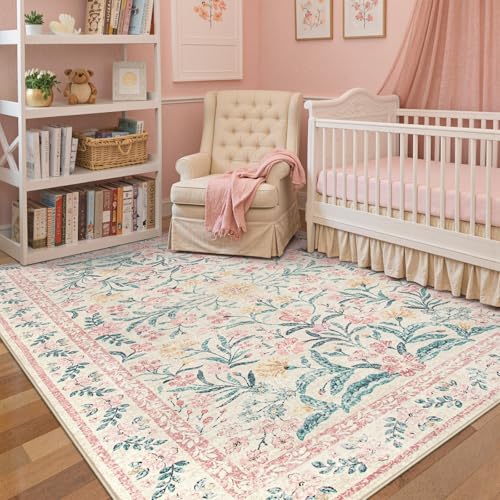
Cloud-Like Comfort & Warmth: Crafted with high-density plush pile that feels like soft cashmere underfoot. Whether you're stepping in after a long day or standing for hours at gatherings, this rug provides gentle support and soothing warmth for tired feet

Vibrant & Playful Design: Cheerful diamond blocks in confetti-inspired hues pop on a soft cream background, dotted with dainty polka dots. Like confetti bursting from a party box, each diamond invites tiny feet to skip and discover, instantly turning any space into a whimsical playground that sparks creativity and blends with vibrant or neutral decor
6. Under-the-Sea Murals and Wallpaper

A full-wall mural sets the tone without eating floor space, which matters in a small nursery where every square foot counts. The ocean reads as background rather than clutter, so the room stays calm even with coral or mermaid accents layered on top.
Peel-and-stick wallpaper panels solve the renter problem cleanly. One accent wall in removable paper gives you the underwater scene and leaves the other three in a solid that expands the space. When the lease ends, the paper comes down in sheets.
Hand-painted borders sit lower on commitment and skill than they sound. A simple wave line where wall meets ceiling, or a pod of fish tracing the doorframe, frames the room without commanding it. Paint-based murals also land in the budget-friendly column if the wallpaper cost stings.
Soft blues, seafoam green, and aqua keep the palette soothing rather than busy. The mural does the thematic work, so the rest of the room can stay minimal with clean-lined furniture. That restraint is what keeps a mermaid nursery from looking like a gift shop.
Recommended Products

✨GENDER NEUTRAL BABY MOBILE - Warm beige, soft whites, and natural wood designed for a modern "Starry Night" aesthetic. This neutral-toned mobile perfectly matches any Boho, Nordic, or Gender-Neutral nursery theme for both boys and girls
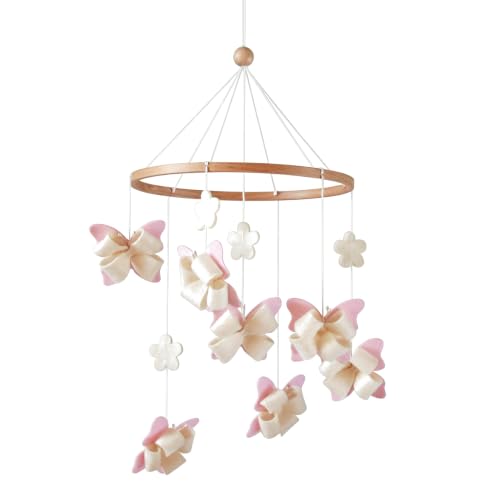
Transform your nursery with the GOUKURLSMA Butterfly Mobile, featuring 7 handmade butterflies and 4 flowers, perfect for girls. Eco-friendly and soothing, it enhances imagination and decor.

Teddy Velvet Nursery Mobile:Baby mobile for crib can blend into the nursery design of your choice. The white moon and clouds, brown stars, and brown bear will be focal points in your neutral nursery,We share your goal to making sure your baby is exposed to something nice and safe from birth
7. Aqua, Pink, and Gold Palettes

Aqua works best as the dominant color in a mermaid nursery because it sits closer to blue on the spectrum than true turquoise, and that slight shift toward cool gray keeps a sleep space from feeling wired. Pink and gold should stay at accent level, maybe one in textiles and the other in hardware or frames. Too much gold tips the room from mermaid toward metallic glam fast, and recovering that balance means repainting or replacing big pieces. I would rather see gold limited to lamp bases, drawer knobs, or a single mirror frame, while pink shows up in a rug or curtain panels that can be swapped if the shade starts reading too candy-bright. A 60/30/10 split feels about right in practice: aqua on walls or the crib, pink at secondary size, gold at a glint. If the room gets strong natural light, the aqua can handle a slightly deeper saturation without going dark; in a dimmer space, keep the aqua lighter and let the pink carry more of the visible warmth.
Recommended Products

UNDERSEA MERMAID JELLYFISH WALL DECAL: Immerse your little one in a whimsical journey beneath the waves with our captivating mermaid and ocean creature wall decals. Transform her room into an enchanting underwater wonderland, where her imagination can soar amidst vibrant designs that bring the ocean's beauty to life.

【OCEAN MERMAID WALL DECALS】Bring the magic of the ocean into your home with these beautiful watercolor Under the Sea mermaid wall decals. creating a lively under the sea theme that instantly adds a refreshing coastal and summer ocean vibe to your space.

Nursery Decorations: Our neutral wall decals are designed with various vivid patterns. These lovely wall decals and stickers are suitable for nursery, preschool, daycare, playroom, classroom, kids bedroom, living room, kindergarten and school. Perfectly DIY a magic space for baby, infant, toddlers, kids, children, teens, teenagers, girls and boys
8. Seashell and Starfish Decor

Real shells behind glass in a shadow box give a nursery the texture of an actual beach walk, but anything within grabbing distance of a crib needs a different approach. Resin or ceramic versions keep the look without the chip risk, and the weight difference matters more than you’d think when a mobile arm or shelf edge takes a hit. I spent an afternoon sorting reproductions by finish, and the matte ceramic ones read warmer than glossy resin under dim night-light conditions. For a quick garland, thread fabric starfish and small wooden scallops onto twine with a darning needle; no glue means no cure time, and the whole thing comes apart for washing. Hang it above the changing table, not the crib, where small hands eventually reach.
Recommended Products
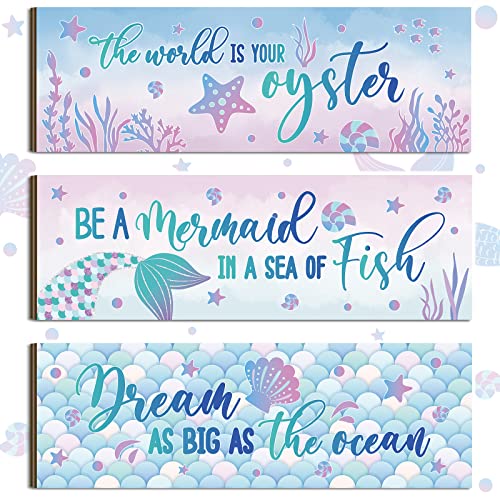
Nice for Room Decor: you will receive 3 pieces of mermaid bathroom decors for girls, 11.81 x 3.94 inch, equipped with hooks, allowing you to hang them on the wall or door, easy to install and remove without scratching the places, so you can install them with confidence

Nursery Decorations: Our neutral wall decals are designed with various vivid patterns. These lovely back to school wall decals and stickers are suitable for nursery, preschool, daycare, playroom, classroom, kids bedroom, living room, kindergarten and school. Perfectly DIY, a magic space for baby, infants, toddlers, kids, children, teens, teenagers, girls and boys

Stylish Wall Decor: Add a warm and charming touch to your space with this 30x20 inch canvas banner. Its simple yet eye-catching design makes it a beautiful addition to bedrooms, playrooms, nurseries, classrooms, living rooms, or cozy corners.
9. Beachy Textures

Woven seagrass baskets were the first thing I brought into my daughter’s nursery, mostly because I already owned three from a closet purge the month before. They sit on the open shelf now, holding burp cloths and board books, and the ragged edge of the weave catches the afternoon light in a way glossy plastic never would. HomeGoods and Target both carry them under $25, though the thrift store basket I found for eight dollars has the best patina by far.
Driftwood frames and jute rugs work on the same principle. The frame above the changing table came from a beach weekend, bleached and sand-smoothed, and the jute rug underfoot is rough enough that you notice it barefoot without it ever demanding attention. Linen curtains finish the room, sheer enough to glow at nap time. None of these pieces add color; they add weight and warmth, which keeps a mermaid theme from collapsing into a clutter of blues and scales. The restraint matters more than I expected.
Recommended Products

【PACKAGE INCLUDE】This 4 pieces toddler bedding set for girls and kids includes: 1 piece 42 inches x 57 inches toddler comforter, 1 piece 28inches x 52inches+7.9inches fitted sheet, 1 piece 45inches x 60inches flat sheet, and 1 piece 20 inches x 30inches standard pillowcase. Perfectly fit the size of children's toddler bed, it can transform a new sleeping environment for the child's room, and it is a magic weapon to attract kids to love their bedroom.

The 4 piece set includes a comforter, fitted bottom sheet, flat top sheet, and reversible pillowcase

3PCS CRIB BEDDING SET&COLLECTIONS - 1 Quilted Comforter 34"x 43" , 1 Fitted sheet 28"x52"+ 8" and 1 Crib Skirt fits a standard size crib mattress ,The 3 pc crib set will fits most crib bedding.
10. Ocean-Inspired Lighting

Rattan pendants cast the right kind of shadow for an ocean nursery, warm and dappled like light through water. I hung one with a low-wattage bulb over the changing area and the texture does most of the work; no mermaid decal required. Wall-mounted starfish sconces can do the same beside the glider, though the ceramic ones read more "beach cottage" than I wanted until I found a pair in weathered brass.
Glass floats in the window catch morning light and throw color across the wall, which a baby notices long before they notice a theme. Mine came from a flea market, but reproductions work the same if the seal and swirls are convincing.
The part that actually matters for a nursery is control. A plug-in dimmer runs under $15 and slips between the outlet and the lamp cord, no electrician needed. Night feeds at 2 AM stay dim enough to keep everyone half-asleep, and the rattan looks better in low light anyway.
Recommended Products

[ Ultra Soft Touch ]: ONASAR round rug ensures a comfortable feel with the upgraded thicker backing and plush fibers.The area rug is super soft and artistic, just like stepping on a cloud and warming up your kids and family. It's perfect for Kids Nursery Room, Girls Boys Bedroom, Princess Room and Playrooms to create a cozy and comfortable feel.The rugs are kids and pet-friendly!

Machine Washable & Easy Care: Designed for busy homes, this sea animal washable area rug is easy to maintain with regular vacuuming or machine washing when needed. The low pile surface helps simplify daily cleaning, making it a practical choice for entryways, living rooms, bedrooms, and other frequently used spaces.

【 PAGISOFE Modern Area Rug 】The fluffy rug provides soft and comfortable touch which makes you feel like walking and lying on the clouds.Your pets and kids will love to move around on this carpet, which has a 30% thicker foam pad and a 1.5-inch pile surface. The shag rug are perfect addition to your favorite space.The high pile provides a soft and comfortable touch, whether you are standing or sitting on this large area rug, you can relieve the fatigue of your day.
11. Accent Rugs With Ocean Motifs

Round rugs with wave patterns anchor a mermaid nursery without fighting the theme. I tried one under our glider and the curves softened the whole corner; rectangular options with scales laid flat work better if you are running a rug alongside the crib where a circle would leave awkward gaps at the walls. Custom-cut carpet tiles let you build an irregular shape around existing furniture, though the seams collect sand and glitter faster than a solid weave.
The crib area needs a non-slip pad. Babies kick, rugs shift, and a bunched edge at 2 a.m. is not a discovery you want to make mid-feeding.
Washable rugs exist now for under $200, which matters more than I expected. Our first pick was spot-clean only and lasted three months before a bottle incident sent it to the curb. The replacement went straight into the washing machine after the same scenario, and the colors held. For a room that sees daily spills, that washability is worth narrowing your pattern choices over.
Safety Rules for a Themed Nursery

The paint can looks harmless enough sitting on the hardware store shelf, but zero-VOC and nursery-safe labels are the ones worth opening first. I learned to check for Greenguard or SCS Global Services certification after realizing "non-toxic" on the front of a can is marketing, not a standard. The same skepticism applies to wall decals and peel-and-stick murals that finish a mermaid theme fast. Cheap vinyl can off-gas for weeks; spending a few dollars more on water-based adhesive products keeps the air clear where a newborn sleeps.
Wall-mounted jellyfish sculptures or driftwood shelves above the crib need anchor hardware rated for the weight, plus some extra. A stud finder costs less than replacing drywall and explains why the last renter’s curtain rod pulled out in a line of crumbling plaster. For mobiles, the hardware kit matters more than the hand-felted tails. A ceiling hook screwed into a joist beats any adhesive mount once a baby starts reaching.
Cord management is where ocean-themed string lights usually fail. Battery-operated strands eliminate the issue entirely; if you want plug-in, a cord cover routed along the baseboard and behind furniture removes the temptation entirely. Small shells, starfish, or detachable beads on decor within crib reach are choking hazards no theme justifies. I keep anything smaller than a toilet paper tube off the lowest two feet of wall until the standing phase passes.
DIY Projects That Keep the Budget Under $100

Hand-painted canvases stretch a small budget further than store-bought prints ever could. A pack of basic acrylics and three blank canvases runs about $18, and a simple ombre wash in aqua and soft pink reads as ocean without demanding artistic precision. The trick is keeping the palette limited; four colors max, or the wall starts looking busy instead of calm.
Sewn tail-shaped pillows sound fussier than they are. Fleece does not fray, so one side can be a solid, the other a scale print, and the seam allowance hides every rough edge. Two yards of fabric and a bag of stuffing costs roughly $25 and yields two pillows large enough for floor seating.
Paper flower jellyfish hang beautifully from the ceiling with nothing but clear thread and a push-pin. Tissue paper cut into petal layers, pinched at the base, and glued around a half-sphere lantern gives the bell shape; ribbon tentacles in varying lengths finish it. The whole assembly takes an evening and under $15 in supplies.
Rope mirror frames need only a cheap round mirror, hot glue, and two packages of nautical rope from the hardware aisle. Spiral the rope outward from the glass edge and the mirror suddenly belongs in a beach cottage. Supplies run $15–40 per project, and two weekends of steady evening work covers all five pieces without touching a second hundred.
Making the Theme Work for Any Gender

Teal and sand neutrals carry a mermaid nursery without leaning too hard on the princess associations. I swapped coral in for blush once when the expecting parent wanted warmth without the pink-is-for-girls message, and the result still read clearly ocean without needing a single tail or seashell figurine. Deep navy works the same way, especially against white furniture with clean lines, which is how the nautical nurseries keep things modern.
The abstract route is simpler than most people think. Soft blues, seafoam green, aqua, and sandy neutrals build the water feeling on their own. Skip the literal mermaid figures entirely and let the palette do the work; a high-quality ocean-themed art print or a paint-based mural carries the theme without pinning it to one gender. This is where the budget-friendly moves come in too. A DIY garland in those tones, hung securely and out of baby’s reach, costs far less than themed bedding sets and reads just as intentional.
Frequently Asked Questions
What colors work best for a mermaid nursery?
Aqua works best as the dominant color because its slight shift toward cool gray keeps a sleep space calm. Pink and gold should stay at accent level, with gold limited to small touches like lamp bases or drawer knobs and pink appearing in rugs or curtains that can be swapped if needed. A 60/30/10 split feels right in practice: aqua on walls or the crib, pink at secondary size, gold at a glint.
How can I create a mermaid nursery on a budget?
DIY projects stretch a small budget far. Hand-painted canvases with a simple ombre wash run about $18 for supplies, sewn tail-shaped pillows cost roughly $25 in fabric and stuffing, and paper flower jellyfish hang from the ceiling for under $15. Rope mirror frames need only a cheap mirror, hot glue, and nautical rope from the hardware aisle. Two weekends of evening work covers five pieces without touching a second hundred.
Are mermaid themes suitable for both boys and girls?
Yes. Teal and sand neutrals carry the theme without leaning on princess associations, and swapping coral for blush keeps warmth without the pink-is-for-girls message. Deep navy against white furniture with clean lines works the same way. The simplest route is to skip literal mermaid figures entirely and let soft blues, seafoam green, aqua, and sandy neutrals build the water feeling on their own.