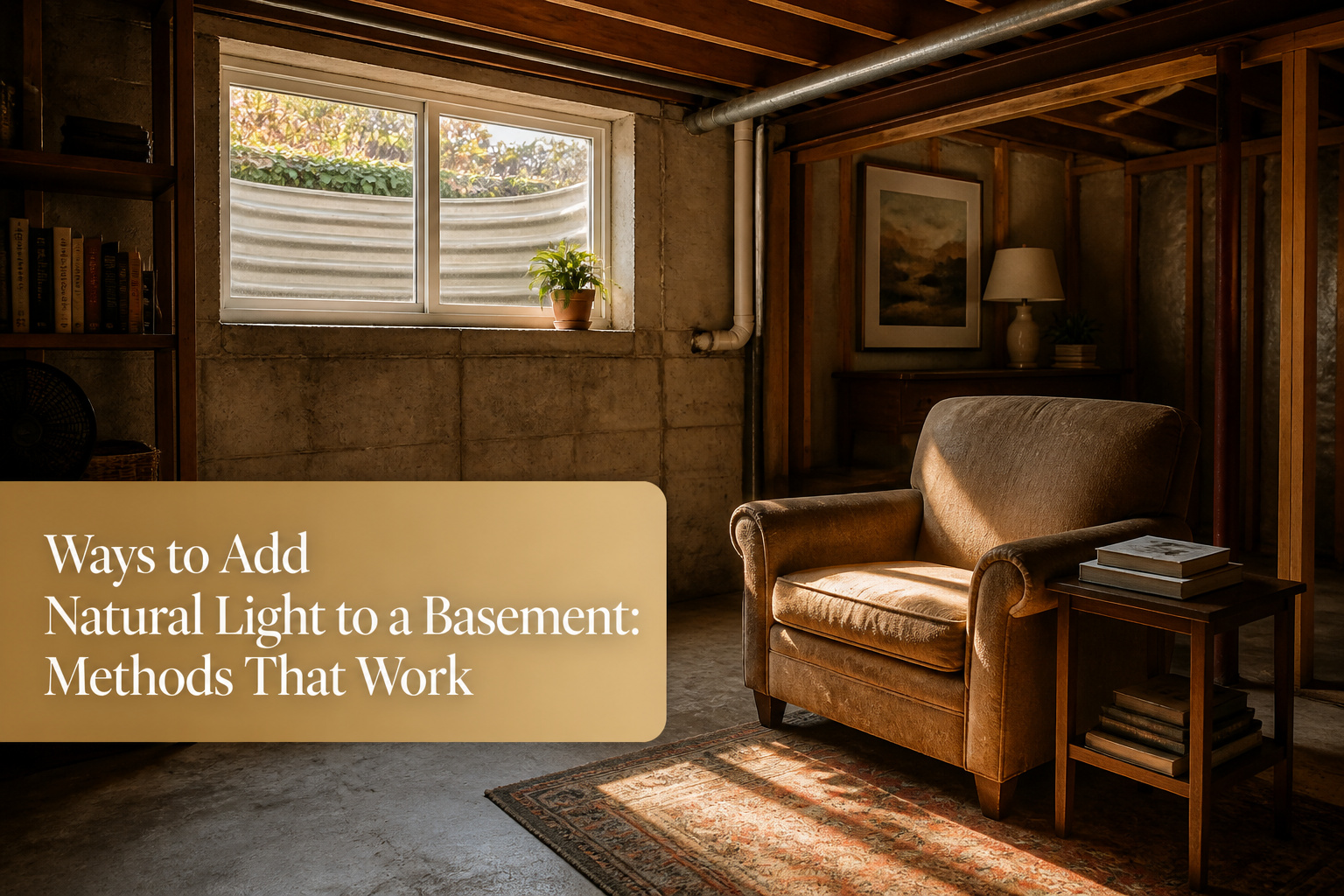
The single brightest gain you can make in a basement is cutting a full egress window through the foundation wall, which qualifies the space as legal sleeping quarters while flooding it with morning light. That upgrade runs $2,500–$5,000 and needs a window well dug against the foundation, so a half window set above grade line at $1,000–$2,000 sometimes fits the budget better even though it sacrifices the legal bedroom status. I learned the hard way that a solar tube only works if the roof above gives a straight shot down; a finished second floor sitting between the peak and my stairwell killed that option entirely.
1. Add an Egress Window

An egress window does two things at once, and only one of them is about light. The opening has to be large enough for a person to climb out in an emergency, which is why fire code treats it differently from the standard basement window you might already have. That size requirement, 20 inches wide by 24 inches high at minimum, is what turns a dark wall into a bright one.
The full cut, with a window well dug out against the foundation, runs $2,500–$5,000. A half window set above the foundation line, where no well is needed, drops the cost to $1,000–$2,000. Both bring in more daylight than the small vent windows installed in most basements during the 1970s and 80s, but only the full egress qualifies a basement as legal sleeping space.
The more you add, the brighter things will be down there.
For a reader mid-project, this means the first egress window pays for itself in safety and resale value; any after that are pure light gain. If the budget only stretches to one, place it where you spend morning hours. The sun moves, but a south or east-facing egress catches enough to make the basement feel like a room you chose to be in.
Recommended Products

MAXIMUM-STRENGTH STEEL WELL FOR RELIABLE COMPLIANCE: The 42"L x 36"W x 48"D WINDOW WELL SUPPLY Tuffwell egress window well kit is formed from 19-gauge corrugated steel engineered to handle heavy & dense soil, and aggressive backfilling. For those who wanted to have a stoneview window well liners with basement windows, or basement window wells. Flat pre-punched flanges simplify alignment and mounting. Minor bowing during transit is normal—installation brings the well to its true shape and size.

COMPLETE EGRESS WINDOW WELL KIT – Our basement egress kit includes everything you need to meet or exceed IRC code requirements, ensuring your basement is safe and compliant. With window wells, covers, ladders, and windows, you can transform your basement into a secure living space effortlessly. Ideal for those looking for window well covers outside, basement window wells, and egress window well covers. – Proudly made in the USA
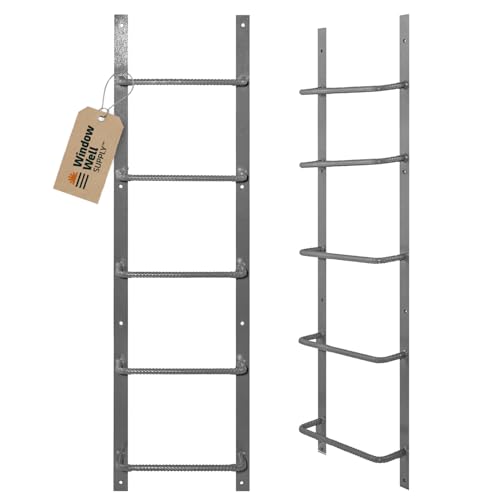
ROBUST HIGH-GRADE STEEL CONSTRUCTION: Proudly made in the USA. This egress window ladder is crafted from high-grade powder coated steel for lasting strength in any home. Ideal as a basement ladder or escape ladder for a basement window, it offers security for emergencies. Suitable for any egress window well, this durable window well ladder ensures a quick and dependable exit in times of emergencies.
2. Modify the Windows You Already Have

The dirt on basement glass builds up so gradually that most people never think to blame it. A thorough cleaning, inside and out, often lets in noticeably more light than you’d expect for zero dollars. If your windows are frosted, swapping that glass for clear panes is the next logical step, though you’ll likely need a pro for the cut and seal.
Enlarging a small window only makes sense when the foundation can take it without major structural work. In my reading, the break-even point hovers around whether you’re already committed to replacing the whole unit. If the frame is a thick, dated hopper style, replacing it entirely with a sliding vinyl or aluminum frame usually brings more actual glass area than cutting the concrete larger, and at a lower total cost. Skip the enlargement unless you’re after egress compliance or the wall is already opened up for another reason.
Recommended Products

NEW Polyethylene Lightweight Reversible Bubble Window Well Cover 42 in. x 15 in.

DURABLE POLYCARBONATE CONSTRUCTION: This basement window well cover is made of high-quality, crystal-clear polycarbonate, which protects against debris and inclement weather, ensuring that your window wells are built to last

42 in. x 15 in Polyethylene Reversible Bubble Window Well Cover
3. Install a Solar Tube

A solar tube is essentially a periscope for daylight: a small dome on the roof catches sunlight and feeds it down a 10-inch metal tube to a ceiling fixture that looks like a recessed light. The tube’s interior is highly reflective, so enough light makes the trip to read by or work under, even two stories down.
What stopped me on this option was the roof geometry. The tube needs a fairly straight shot from dome to diffuser. If the basement sits under a first floor with a closet directly above, the run can hide inside that closet wall and nobody sees the hardware. Stack another story or add a complicated roofline with hips and valleys between the peak and the target room, and the tube either won’t bend that far or the reflected light drops off sharply. I looked at my own place and realized the finished second floor sat squarely in the way with no closet aligned above the stairwell, which made this a nonstarter for that spot.
The finished look is neat, though. The ceiling diffuser mounts flush and spreads the light without the heat gain or structural cutting that a full skylight demands. For a single-story addition over a basement workshop or laundry room with direct roof access, this is often the brightest return for the least intrusion.
Recommended Products
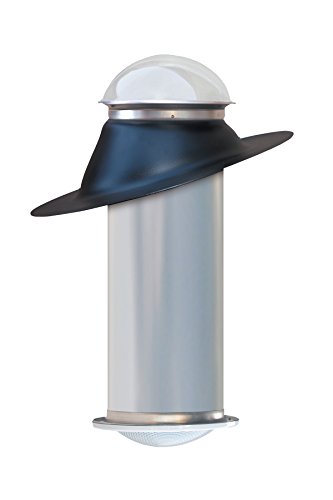
Illuminates up to 300 square feet; equivalent up to 500 watts of power.

Brighten the inside of your container with natural light using our Solar LightBlaster specifically designed for Conex brand containers.

Speciality Recreation Skylight Kit, Low Profile
4. Place Mirrors and Reflective Surfaces Strategically

A mirror placed directly opposite the window sends light back toward the source, which helps the window wall but leaves the rest of the room flat. What actually moved measurable light into the dark corner behind my stairs was angling the same mirror to catch the beam and throw it sideways across the ceiling. That bounce spreads the light instead of doubling it in one spot.
Shiny surfaces help, though the effect is smaller than the mirror. A glass tabletop or stainless accent reflects what hits it, but only from its own footprint. I tried a row of decorative vases on a shelf and got sparkle, not distribution. The prisms mentioned in feng shui practice create moving color on bright days, which cheers the room, yet they do not raise the overall light level in a way you could read by.
For real gain, treat the mirror as a tool with an angle, not a decoration with a wall. Glossy tile and light countertops add to the bounce network once the mirror is doing the directional work. Metal frames and fixtures fit in the same way: they catch and scatter stray photons, but the mirror remains the only surface that redirects a full beam where you aim it.
Recommended Products

Elegant Reeded Glass Look: Mimics classic fluted glass texture with elegant vertical lines. Creates a sophisticated frosted appearance that adds style and luxury to any glass surface without expensive glass replacement

Multifunctional Applications: Our plexi glass sheets are perfect for many DIY and professional projects, can be used for everything from displays to support structures to barriers. It can replace wind glass, cover machines, create LED signs, build transparent pet houses, design display cabinets, aquarium covers, and much more. This acrylic glass sheet maintains its integrity and clarity whether used indoors or outdoors, even under intense UV rays and extreme temperature fluctuations.
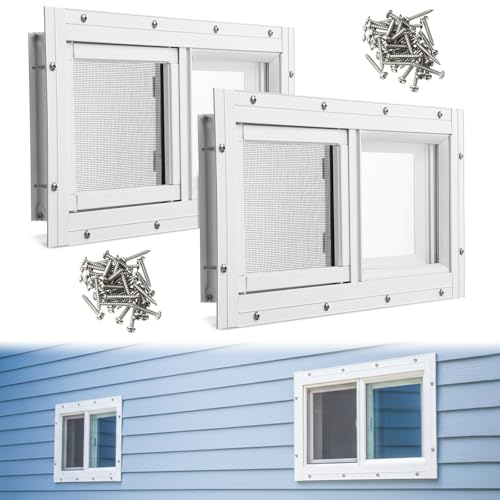
Package Contents: you will receive two mini recessed basement windows, measuring approximately 16 x 8 inches, with a removable screen and a pack of screws for installation; This complete package is nice for replacing old windows and providing excellent ventilation; Please note that these windows are recessed, so your installation window must be smaller than 14.9 x 7 inches
5. Paint With Light, Glossy Colors

High-gloss paint bounces light around a basement almost as well as a mirror, and the finish holds up better down there than matte ever would. The higher the sheen, the more moisture and scuffs it shrugs off, which matters in a space that fights dampness just by existing. Walls stay cleaner, and clean walls read brighter.
I repaint ceilings before walls in every basement job now. An off-white ceiling does more for the room than white walls do, something that surprised me the first time I tried reversing the emphasis. Light colors on every surface, furniture included, keep the effect from breaking apart. Whites, off-whites, and pastels are the ones to grab; anything heavily pigmented works only if you are deliberately after a moody, closed-in feel.
Recommended Products
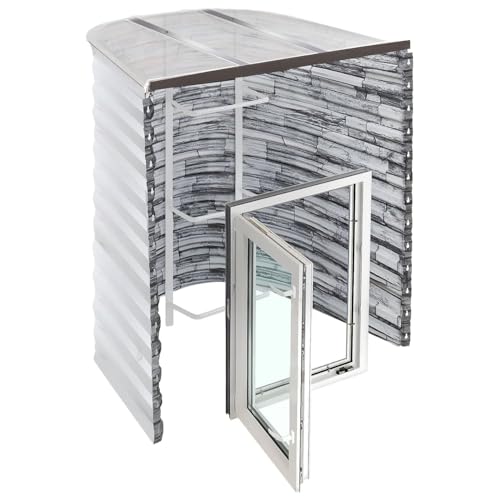
Heavy-Duty Steel Construction: Proudly made in the USA. The Tuffwell window well is built from 19-gauge steel with a special corrugated design, making it the toughest in the industry. It stands strong against heavy soil pressure and aggressive backfilling, ensuring long-lasting durability.

Safety... Unique "Grip/Step" design features a convenient handle and gusseted step to meet building code requirements for egress in an emergency situation.

Comprehensive Window Well Cover Hardware: experience convenience with the window well covers outside hardware kit that includes 30 well clips, 30 cap nuts, 30 flat washers and 30 screws; The set is prepared meticulously to avoid situations of missing parts, thus enhancing its application effectiveness
6. Clear and Cover Window Wells

Window wells collect debris faster than most homeowners notice, and once the bottom six inches fill with leaves or sediment, the basement below dims even on bright afternoons. Clearing the well is straightforward shovel work, but the real fix is keeping it clear. A transparent bubble cover does two jobs at once: it acts as a lens that magnifies sunlight onto the glass below, and it blocks the leaves, animals, and runoff that turn wells into light-blocking pits. Grates or solid wood covers protect against falls, but they sacrifice the light you are trying to gain. The curved acrylic shape is what creates that lens effect, so flat plexiglass will not do the same work. Check the well twice a year, spring and late fall, and hose out what the cover missed. If drainage is slow, regrade the soil around the rim so water runs away from the house instead of pooling against the window.
Recommended Products

Window well covers are designed to prevent leaves, other debris, and rain from entering the window well while also adding a layer of security. Note: Window well not included

Window well cover helps hold back dirt, debris, small animals and precipitation from your window well to help keep it clean

The 57 in. x 25 in. Rectangular Plastic Window Well Cover helps protect your window well and basement window by blocking unwanted elements from your window well. Examples include small animals, leaves, debris and snow. Ideal for keeping window well free of debris and animals,Made from plastic, the cover is durable. The cover allows light to pass through your basement window.
7. Rearrange to Let Light Move

A bookshelf wedged under my only basement window killed half the light in the room before I ever flipped a switch. The window sat high on the wall, standard for below-grade space, and I treated that wall like dead storage. The shelf backed right up to the casing, blocking the lower third of the glass where the best morning light came through. Moving it to the opposite wall cost nothing and took twenty minutes, and the difference was immediate even though the actual lumens entering the room never changed.
Open floor space reads as brightness because light bounces across unobstructed surfaces instead of dying against the first solid thing it meets. I keep a three-foot radius clear in front of every basement window now, no exceptions. Furniture goes against interior walls or at angles that let light slip past. Surfaces stay clear too; stacks of boxes or laundry baskets on the floor create the same pooling shadow a sofa does. The same principle works with reflective finishes, light-colored flooring, and glossy tiles that the sources mention: light needs room to move before it can multiply.
Recommended Products

HEAVY-DUTY, PREMIUM BUILD - Features robust construction and enhanced, thicker glass for exceptional strength and lasting durability. ARGON GAS FILLED (FIXED) - Insulated...
8. Choose Light-Colored Flooring

Dark carpet swallows whatever light makes it down the stairs, so that was the first thing off my list when I tackled my own basement. Luxury vinyl in a light pattern became my go-to recommendation after seeing how much bounce it gives a dim room, and the planks handle basement moisture better than anything upstairs would need to. Painted concrete with epoxy coating runs cheaper and reflects even more, though the prep work is a weekend you will not get back. Engineered hardwood in a blonde maple or birch sits in the middle cost-wise, but only if your space stays reliably dry; water stains on light wood turn ugly fast, and the replacement cost erases any savings. Moisture resistance matters down here in a way it never does on the main floor, because vapor coming through slab concrete is normal, not a disaster. Skip anything that needs a dry basement to survive, and budget for the vinyl or the epoxy paint instead.
Recommended Products

【Durable and Sturdy Shed Window】 This sliding window is made of an aluminum alloy frame that is integrally formed, and the hardware accessories are made of zinc alloy, ensuring that the casement window is sturdy, durable, rust proof, and corrosion-resistant. The white metal layer will not fade, adding beauty to your shed and house

Single Pane Clear Glass: This white aluminum casement window features single pane clear glass that allows abundant natural light to enter, creating a bright and open atmosphere. Ideal for kitchens, bathrooms, basements, garages, and utility rooms
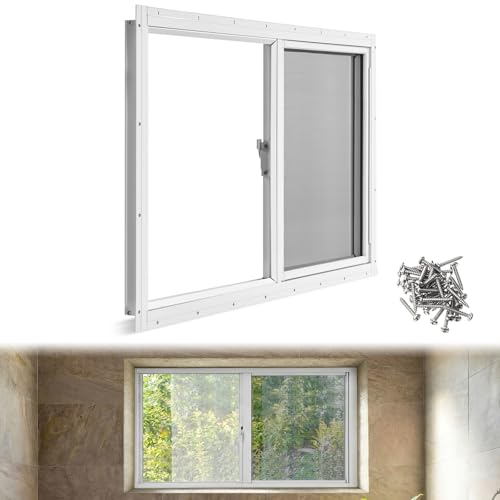
Package Contents: you will receive 1 recessed basement windows, measuring approximately 32 x 18 inches, with a removable screen and a pack of screws for installation; This complete package is nice for replacing old windows and providing excellent ventilation; Please note that these windows are recessed, therefore your installed window size will need to be smaller, see the product size chart for detailed dimensions
What Natural Light Actually Does Down There

Basements collect moisture because they sit below grade, where ground water and condensation find the coolest surfaces. Even a modest amount of natural light raises surface temperatures enough to reduce the damp pockets where mold takes hold, and that alone can spare you a weekend of scrubbing with bleach.
The flicker from fluorescent tubes strains eyes more than most people notice until they spend a full afternoon down there. Sunlight eliminates that entirely. In winter, when the basement becomes your default escape from the rest of the house, the serotonin difference matters: the same gray February afternoon feels sharper and less heavy with actual daylight on your shoulders.
There is also the practical matter of the heating bill. Free solar gain during daylight hours lets you dial the thermostat back for stretches, and in a space that already runs cold, those stretches add up. The aesthetic payoff is harder to measure but easy to spot. Architectural details, paint colors, even the texture of a rug read flat under artificial light. Sunlight gives them dimension, and a finished basement stops feeling like a bunker the moment that happens.
Recommended Products
HEAVY-DUTY STEEL CONSTRUCTION ensures your window well withstands extreme conditions. Made from 19-gauge steel with a special corrugated design, it resists heavy soil pressure and aggressive backfilling. – Proudly made in the USA

Product Content: You will receive 6 pieces of window well cover clips, coming with 6 nuts, 6 screws and 6 gaskets. They are sufficient to meet your needs of usage and replacement.

Complete Set: the window well cover hardware kit includes 15 well clamps, 15 cover nuts, 15 flat washers, 15 screws, never stress about missing pieces again with our complete installation accessories
Match the Method to How You Will Use the Space

A storage room needs enough light to read labels and spot spiders, not enough to sustain a houseplant. The 10-inch diameter of a standard solar tube fits that job neatly: it punches through a closet on the main floor, lands in the basement ceiling, and costs a fraction of what cutting concrete and installing an egress window runs. I put one over my shelving unit and the difference was immediate. The diffuser looks like a recessed fixture, so the ceiling stays clean.
The room where I actually sit demanded something else. Egress windows bring light I can angle a chair toward, plus ventilation I open on cool September evenings. The structural cut and the code-compliant well cost more and took a weekend longer, but the space feels like a room instead of a converted cellar.
Professional consultation pays for itself on two questions: whether your foundation can take the span of an egress cut without a header upgrade, and whether your roof geometry allows a straight tube run. A straight shot matters because every bend in reflective tubing costs you lumens. If the basement is staying storage and the attic above is uncomplicated, the solar tube installs clean enough to handle alone. If you are cutting concrete or the tube would need to jog around a chimney, the fee for an hour of a contractor’s time is cheaper than fixing a failed inspection.
Recommended Products
DURABLE POLYCARBONATE CONSTRUCTION: This basement window well cover is made of high-quality, crystal-clear polycarbonate, which protects against debris and inclement weather, ensuring that your window wells are built to last
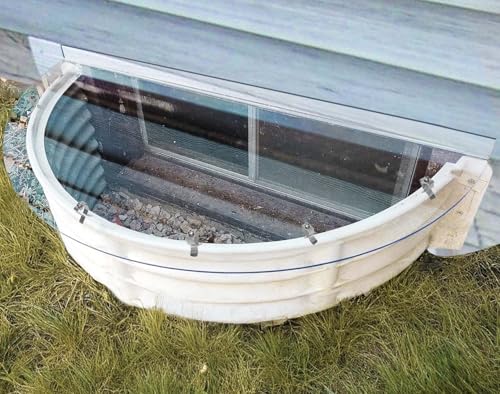
HEAVY-DUTY POLYCARBONATE: Crystal-clear, tough polycarbonate construction shields basement windows from debris and weather for lasting durability
DURABLE POLYCARBONATE CONSTRUCTION: This basement window well cover is made of high-quality, crystal-clear polycarbonate, which protects against debris and inclement weather, ensuring that your window wells are built to last
Glass Floors and Walkable Skylights

Glass floors and walkable skylights sit at the far end of what it takes to bring daylight underground. A glass panel set into an upper hallway or corridor lets light drop straight through to the basement below, and a walkable skylight built into a patio or deck does the same from outside. Both need structural engineers, specialized glazing rated for impact and slip resistance, and a budget that starts where most basement projects end.
I looked into both while mapping out our own space. The glass floor appealed because our main hallway runs directly above the stairwell; the walkable skylight made sense since we already have a small concrete patio outside the basement door. Neither is a weekend project, and neither fits a few-hundred-dollar budget. Sources put these in the design-build category, meaning architects, engineers, and contractors who have done them before.
What stopped me was not the cost alone. A glass floor means giving up privacy and sound separation between floors. A walkable skylight means cutting into exterior drainage and structure I did not want to touch. For a basement that still needs basic egress and window upgrades, these solutions solve a lighting problem by creating larger ones. I kept reading, filed the notes, and moved on to solar tubes instead.
Frequently Asked Questions
How can I add natural light to a basement?
The most effective methods are installing an egress window, modifying existing windows, adding a solar tube, and placing mirrors at angles that bounce light across the ceiling rather than back toward the window. Painting walls and floors in light, glossy colors and keeping open floor space in front of windows also multiply whatever daylight enters. A transparent bubble cover over the window well acts as a lens that magnifies sunlight onto the glass below.
What are the benefits of natural light in a basement?
Natural light warms surfaces enough to reduce damp pockets where mold grows, cuts eye strain from fluorescent flicker, and provides free solar gain that lets you lower the thermostat. Sunlight also triggers serotonin production, which helps during gray winter afternoons when basements see the most use, and it gives architectural details and paint colors dimension that artificial light flattens.
What types of flooring are best for maximizing light in a basement?
Light-colored luxury vinyl plank is the most practical choice for most basements because it reflects light well and handles moisture better than wood. Painted concrete with an epoxy coating reflects even more light and costs less, though the prep work takes a full weekend. Engineered hardwood in blonde maple or birch works only in reliably dry spaces, since water stains on light wood turn unsightly quickly.